
For an early-stage founder, building a startup is about more than having a good idea. Access to mentors, industry networks, funding opportunities, infrastructure and experienced guidance can significantly improve the chances of building a scalable business.
India has developed a strong incubation ecosystem, with institutions supporting startups across deep tech, SaaS, fintech, social impact, healthcare, climate tech and other sectors.
Here are 10 notable startup incubators and incubation-focused organizations to consider in 2026.
Key Highlights
T-Hub provides large-scale startup support, corporate connections and global market access.
IIT Madras Incubation Cell, SIIC IIT Kanpur and SINE IIT Bombay are strong options for technology and deep-tech founders.
NSRCEL and CIIE.CO support startups across multiple sectors and stages.
Kerala Startup Mission provides state-backed infrastructure, grants and acceleration support.
Villgro focuses strongly on social-impact businesses in areas such as healthcare, agriculture and climate.
Some organizations on this list operate as accelerators, seed investors or ecosystem platforms in addition to incubation.
-*
- T-Hub — Hyderabad*
*
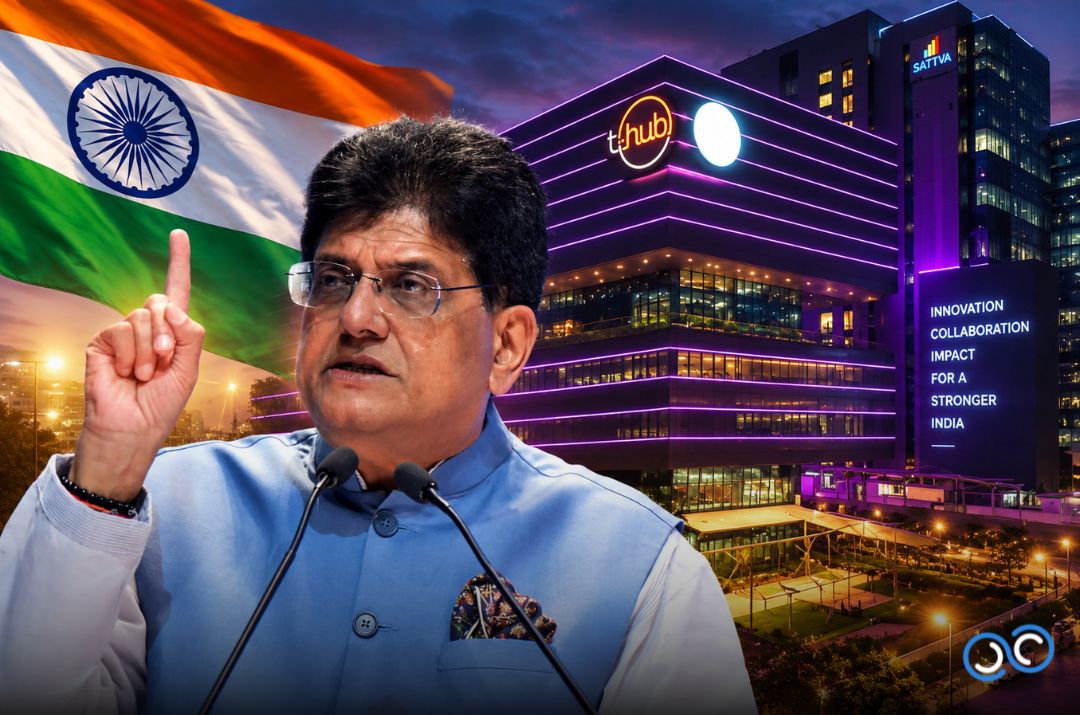
T-Hub is one of India's most prominent startup ecosystem organizations, offering founders access to mentorship, corporate partnerships, investors and market opportunities.
Its location in Hyderabad also gives startups access to Telangana's broader technology and innovation ecosystem.
For founders looking to build partnerships and scale beyond the early stage, T-Hub can provide valuable ecosystem connections.
*
IIT Madras Incubation Cell is closely connected to the IIT Madras research and innovation ecosystem and is particularly relevant for technology, engineering and deep-tech startups.
Founders working on hardware, scientific research or technology-driven products can benefit from access to academic expertise, research infrastructure and industry connections.
- NSRCEL, IIM Bangalore — Bengaluru*
*
NSRCEL is the startup incubation centre at IIM Bangalore and supports entrepreneurs through multiple programs.
Its ecosystem covers areas including general entrepreneurship, social enterprises and women-led businesses.
The combination of business education, mentorship and access to the IIM Bangalore ecosystem makes NSRCEL an important destination for early-stage founders.
*
Startup Incubation & Innovation Centre (SIIC) at IIT Kanpur focuses strongly on technology and innovation-driven startups.
It is particularly relevant for founders building deep-tech, cleantech and science-based businesses.
Startups can benefit from the IIT Kanpur ecosystem, technical expertise, incubation support and connections with industry and investors.
- SINE, IIT Bombay — Mumbai*
*
SINE, the Society for Innovation and Entrepreneurship at IIT Bombay, helps entrepreneurs transform technology and research ideas into commercially viable businesses.
Its ecosystem is especially relevant for science, engineering and technology founders who need support moving from R&D toward market adoption.
*
CIIE.CO is part of the IIM Ahmedabad ecosystem and supports startups through incubation, acceleration, investment and innovation programs.
It has also worked extensively in areas such as digital innovation and inclusive entrepreneurship.
For founders looking for a combination of incubation, business support and access to the wider startup ecosystem, CIIE.CO is a significant option.
- NASSCOM 10,000 Startups — Pan-India*
*
NASSCOM 10,000 Startups is an industry-led initiative designed to support India's technology startup ecosystem.
Its programs have connected startups with mentors, investors, corporate partners and other ecosystem stakeholders.
For technology startups looking for industry exposure and ecosystem connections, NASSCOM's startup programs can provide useful opportunities.
*
Kerala Startup Mission (KSUM) is the state-backed organization supporting Kerala's startup ecosystem.
It provides startups with access to incubation infrastructure, grants, programs, mentorship and opportunities to connect with national and international markets.
It is particularly valuable for founders building their businesses from Kerala while looking for institutional support and ecosystem access.
- Axilor Ventures — Bengaluru*
*
Axilor Ventures combines startup acceleration with early-stage investment and founder support.
Its focus on early-stage companies makes it relevant for founders looking for structured guidance alongside potential access to capital.
The organization has built a network around entrepreneurs, investors, mentors and technology companies.
*
Villgro is known for supporting social enterprises and startups working on important problems across sectors such as healthcare, agriculture and climate.
For founders building impact-oriented businesses, Villgro can provide incubation, mentorship and ecosystem support focused on creating both business and social value.
How to Choose the Right Startup Incubator in India
Choosing an incubator should not be based only on its reputation or brand name. Founders should evaluate whether the incubator actually matches their startup's needs.
1. Match the Incubator With Your Sector
A deep-tech startup may benefit more from an IIT-linked incubator, while a social-impact startup may find greater value in an impact-focused organization.
2. Check the Stage of Your Startup
Some programs are designed for idea-stage founders, while others focus on startups that already have a prototype, customers or early revenue.
3. Evaluate Mentorship
Look at the quality and relevance of mentors. A founder building a B2B SaaS company, for example, needs different expertise from a founder developing a hardware product.
4. Look at Funding Access
Some incubators provide grants or seed funding directly, while others connect startups with investors, government schemes and venture capital funds.
5. Consider Industry and Corporate Connections
Corporate partnerships can help startups gain pilot customers, distribution opportunities and strategic partnerships.
6. Check the Program Terms
Before applying, founders should check program duration, equity requirements, eligibility criteria, funding terms and other conditions.
Incubator vs Accelerator: What's the Difference?
Startup incubators generally help founders develop an idea or early-stage business over a longer period through mentorship, infrastructure, networks and other resources.
Accelerators are typically more structured and time-bound, often designed to help startups with existing traction grow faster.
However, the distinction is not always strict. Some organizations, including those on this list, combine incubation, acceleration, investment and ecosystem-building activities.
Summary Takeaway
💡 Key Takeaway:
- The best startup incubator in India is not necessarily the most famous one. Founders should choose an incubator based on their startup's stage, sector, technology requirements, funding needs, mentorship and access to customers or investors.

.jpg)
.jpg)
.jpg)


.jpg)
.png)