
.jpg)

Being first does not always mean winning.
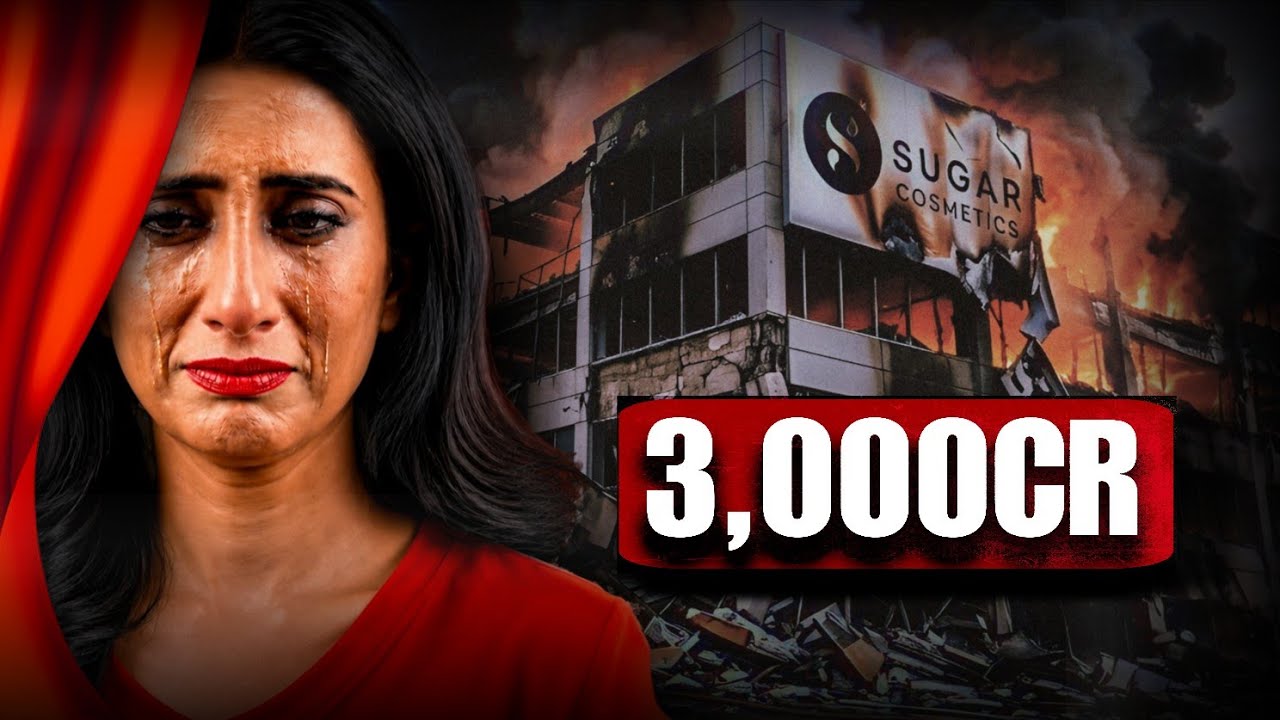
Several Indian startups entered emerging categories early, created new consumer behaviour and helped shape markets that later became massive. However, being an early mover was not enough to maintain leadership.
From Dunzo and PepperTap to Freecharge and Paytm Mall, these startups show how execution, focus, business models, timing and the ability to adapt can determine who ultimately wins a category.
Key Highlights
Dunzo pioneered hyperlocal delivery but struggled to keep pace with quick-commerce competitors.
Housing introduced a modern property-search experience but lost ground to NoBroker.
Quikr became an early leader in online classifieds but expanded beyond its core focus.
PepperTap pursued rapid grocery-delivery growth but struggled with unit economics and sustainability.
Freecharge was an early leader in digital mobile recharges but lost ground after the rise of UPI.
Paytm Mall struggled to build a sustainable marketplace despite significant investment and discounts.
TinyOwl and Foodpanda entered food delivery early but were eventually overtaken by stronger competitors.
The common lesson is that innovation can create a market, but execution determines who owns it.
-*
- Dunzo vs Blinkit & Zepto*
*
Dunzo entered the market in 2015 and became one of India's early pioneers in hyperlocal delivery.
The company demonstrated that consumers could use technology to order groceries, food and everyday items for delivery within their local areas.
However, the market eventually moved toward quick commerce.
Companies such as Blinkit and Zepto built highly focused operations around fast delivery, dark stores and dense local networks.
Dunzo struggled to adapt at the same pace, while cash requirements and execution challenges put additional pressure on the business.
Key Lesson
Being early gives a startup a head start, but competitors can overtake that advantage with better execution and a more focused business model.
2. Housing vs NoBroker
Housing entered the real-estate technology market with the ambition of creating a modern property-search experience.
It helped bring property discovery online and attempted to make the process more technology-driven.
However, NoBroker built a strong position around a clear proposition: enabling customers to search for properties without traditional brokerage.
According to the source carousel, leadership issues, heavy spending and execution challenges affected Housing, while NoBroker continued building trust in the broker-free property category.
Key Lesson
Creating a new user experience is not enough. Startups also need strong execution, a clear value proposition and consistent leadership.
3. Quikr vs OLX
Quikr became one of India's early major online classifieds platforms.
The company entered a market where consumers could buy and sell used products online, helping establish the broader resale and classifieds category.
However, Quikr expanded into multiple businesses instead of concentrating strongly on one core product.
OLX remained focused on classifieds and eventually became a stronger category leader.
Key Lesson
Expansion is not always the answer. Sometimes focusing deeply on one core product can create a stronger competitive advantage than entering multiple categories.
4. PepperTap vs BigBasket
PepperTap entered India's online grocery-delivery market early and pursued rapid expansion.
The company raised significant funding and attempted to scale quickly through discounts and aggressive customer acquisition.
However, the business faced challenges around unit economics, logistics and sustainability.
Meanwhile, BigBasket continued developing its grocery marketplace and supply-chain infrastructure and eventually established a much stronger position in the category.
Key Lesson
Rapid growth can look impressive, but growth without sustainable unit economics can become difficult to maintain.
5. Freecharge vs PhonePe & Google Pay
Freecharge was an early leader in India's digital payments ecosystem, particularly in mobile recharges.
The platform built significant consumer awareness around digital recharge and payments.
However, the arrival and rapid adoption of UPI fundamentally changed the payments market.
PhonePe and Google Pay built strong positions around UPI-based transactions, while Freecharge lost the leadership position it had established earlier.
Key Lesson
A company can dominate an existing behaviour but still lose when the underlying technology and consumer behaviour change.
Startups need to continuously adapt when a new platform or infrastructure changes the market.
6. Paytm Mall vs Flipkart & Meesho
Paytm Mall entered India's e-commerce market with significant backing and the broader Paytm ecosystem behind it.
Discounts and cashback were important parts of its strategy.
However, building an e-commerce marketplace requires much more than attracting customers through discounts.
Seller experience, logistics, product selection, customer trust and marketplace economics all play major roles.
According to the source carousel, weaknesses in logistics and seller experience, along with changing strategic priorities, allowed Flipkart, Meesho and Amazon to remain ahead.
Key Lesson
Discounts can attract customers, but they cannot replace strong marketplace fundamentals.
A sustainable marketplace needs a strong ecosystem connecting customers, sellers, logistics and technology.
7. TinyOwl & Foodpanda vs Zomato & Swiggy
TinyOwl and Foodpanda were among the early players in India's online food-delivery market.
They entered the category before food delivery became a mainstream consumer habit.
However, early entry did not guarantee long-term leadership.
Zomato and Swiggy built stronger positions through execution, restaurant networks, logistics and customer experience.
As the category matured, the companies with stronger operational capabilities were able to capture a larger share of the market.
Key Lesson
Being first is only an advantage if a company can convert that early position into long-term scale, retention and operational strength.
What These 7 Startups Teach Founders
These examples share a common pattern.
The startups were not necessarily wrong for entering their respective markets. In several cases, they helped create or popularise categories that later became much larger.
The challenge was converting first-mover advantage into sustainable competitive advantage.
The companies that ultimately dominated these categories generally demonstrated stronger execution, greater focus, better economics, stronger operational capabilities or an ability to adapt to changing consumer behaviour.
Being First Is Not the Same as Winning
The biggest lesson from these stories is simple
Innovation can create a market. Execution wins it.
A startup may discover a market before everyone else. But once the opportunity becomes obvious, larger and better-funded competitors can enter.
At that point, the startup needs more than an innovative idea.
It needs
Strong execution
Sustainable unit economics
Customer retention
Operational efficiency
Clear strategic focus
Strong leadership
The ability to adapt
A defensible competitive advantage
Being the first company in a category can create recognition, but staying ahead requires continuously earning the customer's preference.
Summary Takeaway
💡 **Key Takeaway:
- Being first can help create a category, but it does not guarantee that you will own it. Dunzo, Housing, Quikr, PepperTap, Freecharge, Paytm Mall, TinyOwl and Foodpanda show that execution, focus, business-model strength and adaptability ultimately determine which startup wins the market.

.jpg)
.jpg)
.jpg)
.jpg)
.png)